Compare Local Contractors for Acoustic Insulation Installation Services
Compare local contractors for acoustic insulation installation to define scope, verify experience, and set clear expectations for a successful project.
Contractors specializing in acoustic insulation installation typically handle a range of tasks aimed at improving soundproofing within residential or commercial properties. This work often includes assessing existing spaces to identify noise issues, selecting appropriate insulation materials, and properly installing those materials within walls, ceilings, floors, or other structural elements. Proper installation is crucial to ensure the insulation performs as intended, reducing sound transmission and enhancing privacy or comfort. These projects may also involve working around existing structures, coordinating with other trades, and ensuring that the insulation is integrated seamlessly into the building’s design.
Defining the scope of an acoustic insulation project is a vital step in ensuring the work meets specific needs and expectations. Clearly outlining what areas require insulation, the type of materials to be used, and any special considerations can help prevent misunderstandings later. A well-defined scope provides a basis for evaluating proposals from different service providers and ensures that all parties are aligned on the work to be done. It also helps property owners communicate their goals effectively and set realistic expectations, leading to a smoother process from planning through completion.
Property owners seeking to compare local contractors for acoustic insulation installation should focus on assessing their experience with similar projects, the quality of work they deliver, and their ability to provide detailed, written descriptions of the scope and process. It’s helpful to review any available references or portfolios, ask about the methods and materials used, and verify that the contractor understands the specific soundproofing needs of the property. Comparing multiple service providers based on these factors can help identify those who are best suited to handle the project reliably and professionally, ensuring the work aligns with the property owner’s goals.
Compare local contractors by outlining your project priorities, verifying experience, and setting clear expectations in writing.
- Compare Contractor Credentials - Review the experience and reputation of local contractors to ensure quality installation.
- Define Project Scope Clearly - Outline specific requirements and expectations to align with service providers.
- Verify Experience and Expertise - Confirm that contractors have relevant background in acoustic insulation installation.
- Document Agreements in Writing - Establish detailed contracts to clarify scope, responsibilities, and deliverables.
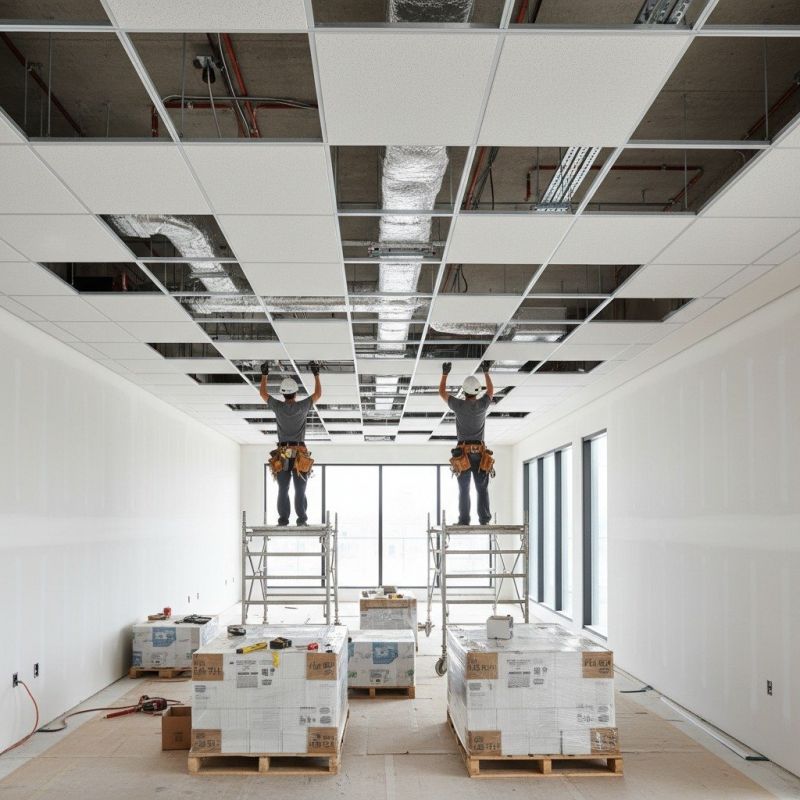
Before comparing local contractors for acoustic insulation installation, clearly define your project scope and verify their experience in similar jobs.
- Verify experience and expertise in acoustic insulation installation to ensure quality workmanship. - Ensure service providers have a clear understanding of the specific insulation materials and techniques suitable for your space.
- Define the scope of work in writing, including areas to be insulated and any special requirements. - Clarify expectations and prevent misunderstandings by having detailed documentation of the project scope.
- Compare multiple local contractors to assess their qualifications, experience, and reputation within the community. - Look for providers with a proven track record in acoustic insulation projects similar to your needs.
- Check references or reviews to gather insights into the reliability and quality of previous work performed by the contractors. - Use feedback from past clients to evaluate the consistency and professionalism of service providers.
- Discuss and agree upon the materials, installation methods, and finishing details before work begins. - Ensuring alignment on these aspects helps set clear expectations and reduces potential disputes.
- Request a written contract that outlines the scope, materials, and any warranties or guarantees offered by the contractor. - A comprehensive agreement provides protection and clarity for both parties throughout the project.
Compare local contractors’ experience and clarify project scope to ensure effective acoustic insulation installation.

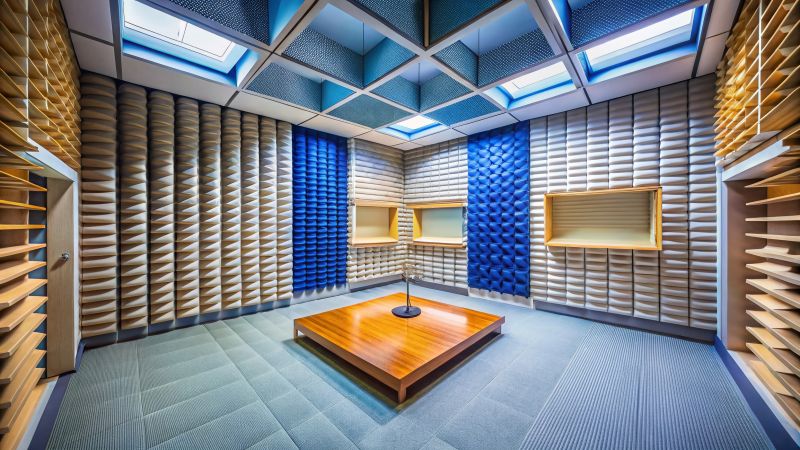


Learn how to compare local contractors, define project scope, verify experience, and set clear expectations in writing.
- Scope Definition - Clearly outline the specific areas and surfaces where acoustic insulation will be installed to ensure all parties agree on the project extent.
- Material Selection - Identify the types of insulation materials to be used, considering their soundproofing properties and suitability for the space.
- Experience Verification - Confirm that local contractors have relevant experience with acoustic insulation installation in similar environments.
- Work Specifications - Document detailed installation procedures, including preparation, fastening methods, and finishing requirements.
- Written Agreement - Ensure all project details, expectations, and responsibilities are documented in a formal agreement before work begins.
When comparing contractors for acoustic insulation installation, it is important to assess their experience with similar projects. Homeowners should inquire about the types of spaces the contractors have worked on, such as home theaters, recording studios, or multi-family residences, to ensure familiarity with the specific requirements of the job. A contractor’s history with comparable projects can provide insights into their ability to handle the unique challenges that may arise, helping to establish confidence in their expertise and approach.
A clear, written scope of work is essential for setting expectations and ensuring all parties are aligned. Homeowners should seek detailed descriptions of the work to be performed, including the materials to be used, the areas to be insulated, and any preparatory or finishing steps involved. Having a comprehensive scope documented in writing helps prevent misunderstandings and provides a reference point throughout the project, making it easier to evaluate whether a contractor’s proposal covers all necessary aspects.
Verification basics involve understanding how contractors plan to confirm the quality and effectiveness of the insulation installation. Homeowners can ask about methods for inspecting the work, such as visual checks or testing procedures, to ensure that the insulation meets the desired standards. Clarifying how a contractor verifies proper installation and performance can help gauge their attention to detail and commitment to delivering results that meet project goals.
When evaluating options, it is useful to consider how each contractor presents their approach and scope in writing. Homeowners should compare the clarity and thoroughness of proposals, paying attention to how well each outlines the work, materials, and verification methods. Avoiding reliance on price alone, it is important to assess the professionalism and transparency of each service provider’s documentation, as these factors can indicate their level of experience and reliability in handling acoustic insulation projects.
Request written scope details from local contractors to ensure clear expectations and consistent project understanding.
- Experience with Acoustic Insulation - What relevant experience do local contractors have with acoustic insulation installation?
- Scope of Work - How do contractors define and clarify the specific scope of the insulation project?
- Material Selection - What types of insulation materials do service providers recommend and why?
- Work Process - How do local contractors outline their installation process to ensure quality and consistency?
- Written Agreements - Are project details and expectations documented clearly in a written scope of work?
How can I compare contractors for acoustic insulation installation? To compare local contractors, review their experience with similar projects, verify their references, and assess their ability to define clear scope and expectations in writing.
What should I consider when defining the scope of an acoustic insulation project? Clearly outline the areas to be insulated, the type of insulation material preferred, and any specific soundproofing goals to ensure contractors understand the project requirements.
How do I verify a contractor’s experience with acoustic insulation? Ask for details about past projects, request references, and inquire about their familiarity with different insulation materials and installation techniques relevant to your needs.
Why is it important to have the project scope and expectations in writing? Having a detailed written agreement helps prevent misunderstandings, ensures all parties agree on the work to be done, and provides a reference for project completion.
What questions should I ask contractors during the comparison process? Inquire about their experience, methods, materials used, and how they handle project specifics to ensure alignment with your acoustic insulation goals.
How can I ensure the contractor understands my acoustic insulation needs? Communicate your goals clearly, ask for detailed explanations of their proposed approach, and request a written scope of work to confirm mutual understanding.
This page has outlined key considerations for selecting contractors to handle acoustic insulation installation, including defining the scope of work, verifying experience, and establishing clear expectations in writing. Understanding these aspects can help ensure the project aligns with specific needs and reduces uncertainties. Using the provided quote form allows for easy comparison of local service providers, making it simpler to find options that match individual project requirements.
By using the quote form, visitors can connect with local contractors capable of managing acoustic insulation installation projects. Comparing different options helps clarify available services and approaches, enabling informed decisions based on your specific preferences. Taking the time to explore and evaluate local service providers ensures the process is straightforward and tailored to your project goals.